


EP 76: Email Marketing for Photographers: Getting Out Of The Spam Folder
We’re diving into the technical side of email marketing today because what’s the point of crafting the perfect marketing email if it never actually reaches your clients? Let’s talk about sender reputation, engagement strategies, and how to make sure your mini session announcements don’t end up in digital purgatory.
On this episode:
- Setting up email authentication and building sender reputation
- Warming up your email list with engaged subscribers
- Creating a consistent email schedule year-round
Transcript:
Episode 76: Getting Out of the Spam Folder
Alison: Hey y’all. Welcome back. Okay, so today’s episode is all about email. We’re getting out of that spam folder or making sure your efforts with your email marketing—because you are email marketing correctly, right? Yes. Yes. I hope—we want to make sure it’s actually getting to your intended audience, so we’re not talking about what to put in that email. We’re talking about some of the technicalities behind email marketing. So let’s go. What do we need to do, Melissa?
Melissa: Yeah. So this kind of comes about because I had a fellow photographer who reached out to me and she was like, “Melissa, everybody said to talk to you,” which I was like, okay. She said, “I’ve got minis coming up and I’ve been landing in people’s spam folders.” She’s like, “I’m not even making it to promotions or inbox. I’m going straight to spam and I don’t want to release my mini sessions if no one’s going to see them.”
So the first thing I talked to her about was, “Okay, is all your stuff set up? You’ve got your verification stuff?” And so whatever email provider you are on—and we’re talking like Flodesk or MailChimp or something like that, not just your Gmail—
Alison: Yeah. Well, even Google Workspace though.
Melissa: So you want to make sure all that stuff is set up. They’ll walk you through it. The technical term I think is like DKIM verification keys or something.
Alison: DNS records. Yeah.
Melissa: Let them walk you through all that stuff. I’m not going to walk you through it because I just followed their little GUI and was like, okay, click this button and do this. But you want to make sure that that’s all set up. The reason being—and I think Shannon may have covered this when we had her on the podcast about emails—but Google made a change, or a bunch of the service providers made a change, where you can no longer rely on someone else’s sender reputation. So now we all have to establish our own reputation.
It’s like when you’re a teenager and you’re leaving your parents’ reputation on car insurance and getting your own car insurance, and the car insurance companies are like, “We don’t trust you, so you’re going to have to prove it to us that you can do this.” So that’s going to be the first step you’re going to want to do.
Alison: Yeah.
Melissa: The next thing you’re going to want to figure out is: are you landing in the spam folder or the promotions folder? Because if you are landing in the promotions folder, that is not as bad as we all like to scream about it.
Alison: It’s not the same thing. It’s not the same thing.
Melissa: We all want to land in the inbox, but Shannon made a great point when she was on the pod. She said she actually goes to the promotions folder because it puts her in the mood of “what offers are there?” And that’s a little bit of how I think about it. Not to mention, I think she may have talked about this too—not everybody has their stuff set up so they have a promotions folder. A lot of people have everything in one inbox.
Alison: Really? How do you operate like that? Come on, people.
Melissa: For us as photographers and stuff, we’re dealing with clients who—this is their personal email, so they don’t think of it from a business perspective where you’ve got all of that organized.
Alison: My personal email is a crap show of school stuff and… no, actually that thing is organized. I might not be in it every day, but it’s organized.
Melissa: We all have that throwaway email, you know? Like we all have that one.
Alison: A thousand percent. Yeah.
Melissa: Mine is like an old volleyball one. We were at a boat show the other week and everybody there is like, “You want to go tour a boat?” They want your email address, your phone number, your firstborn child’s name, like all of this stuff. I’m always giving them that email address and I’m sure they’re going, “That’s not the email address she checks.” And I’m like, no, it’s not. It’s the email that has thousands of receipts and sales flyers from Amazon and stuff. It is not my main one.
But anyway, I’m getting off track. Point being, spam folder is different than promotions folder.
Alison: Yep.
Melissa: So if you were landing in the promotions folder, technically that’s where your email belongs. And I hate to say that, but we are promoting ourselves—that is exactly what we’re doing. But if you’re landing in the spam folder, that’s no fun. That’s where inquiries die and all that. That’s not a good place.
Alison: Never ever seen.
Melissa: So if you’re not sure, what I would tell you to do first is to send an email to your email list and then you need to have people you know on your email list. So you may have to add a friend or two or something.
Alison: Like yourself, your own personal email.
Melissa: I’m not going to tell you if you’re in the spam folder or whatever because I don’t look at it. Add a friend or something where you can then message them and say, “Hey, I just sent out this email. Where did it land for you?” And you might have to do this with a couple friends if they have different providers—like Gmail or something like that.
Alison: That’s smart. Do a variety.
Melissa: Your husband, your parents—like I’d round up family and stuff, which I’ll talk about later.
Alison: Siblings? Yep.
Melissa: Find out exactly where it’s going. So if it’s going to the spam folder, then yeah, there’s a problem. If it’s going to promotions, that’s just the name of the game.
So with this client that I was chatting with, hers were landing in spam, so it was not good.
Alison: Mm-hmm.
Melissa: I talked to her about it. She didn’t have a huge list—she only had like 200 something people on her list. So that’s not a very big list.
Alison: Mm-hmm.
Melissa: Alison and I are in the email listing world and stuff, and that’s like a very baby list basically.
Alison: Yeah, I think I’m working somewhere between 1,300 and 2,000 depending on what segments you’re looking at. Yeah.
Melissa: So what I had told her to do—and she had Flodesk, so I’m just going to use that as the example, but you should be able to Google this and figure it out for your email provider—is find out who are your most engaged subscribers. These are the ones that click on all your emails, or they open your emails, they click on your emails—they’re like your besties. They are your super fans. So you want to create a list of them. And I would say you want to start off with maybe 30 or 40 people that are on that most engaged subscribers list, and you are going to create a separate segment with just them.
Alison: A segment or a tag.
Melissa: Either way, it depends on your provider. You basically need to be able to choose just those 30 or 40 people to send an email to. And so if you don’t have a lot of people on your email list, this could be something where—like I was just saying—you reach out to your family, your siblings, your parents, any email address you have, your friends, and just be like, “Hey guys, I need you to do me a favor. I need help with this for my business. It’s not going to take that long, but can I add your email address? I promise I’ll delete it afterwards.” Get their permission, add their emails, and then start sending them some emails.
And what’s funny is Flodesk actually told this story on another podcast I was on with them. They had to change their domain name at some point—there was something along those lines where they had to rebuild their sender authority. And I mean, they’re a big company. They added everybody who worked there, their husbands got added to it, like all of this stuff. And that just cracked me up. So I’m like, you can totally do this too. If a big company like Flodesk is doing it, you can do it too.
Alison: Yeah.
Melissa: So with this client, I told her the same thing. I said add whoever you can—as many friends as you can—send out an email and put in there a place for them to click and ask them to click it. So basically, she added me. I gave her all of my email addresses. I was like, here, you can do this one and this one. I think she actually had a form. She sent me the form link and I just signed up for her emails. So you could do that to make it simple for your friends and stuff like that.
But when that email landed, I think it landed in spam in one of my emails. And so I was like, okay, mark that as not spam a couple times. I was like, “You’re going to send an email today,” then I would wait two or three days. It depended on when her minis were coming out.
Alison: Yeah.
Melissa: And so she started to do that and had friends do that. And then I think the second email we sent, we added like another 20 people of engaged subscribers. And so we slowly kind of built it up because she only had like 200 people. We added a few more, added a few more, and asked them all to do the same thing.
So again, even if you’re sending this to clients or whatever, you could say, “Hey guys, I just want to make sure you got this because I have minis coming out next week and I want to make sure everybody sees it.” And so you could ask them, “Hey, click here to be added to that mini session list”—which gets them to click on something. You could have them reply back: “Reply back to me and I’ll add you to that list.” A reply works even better.
Alison: Yeah, that’s a huge signal for authority.
Melissa: Tell them, “Hey, if you could drag this from promotions to your inbox, if you can mark this as not spam”—like all of that helps.
So that’s going to be the big thing for trying to get you out of the spam folder. If you have a bigger list, then I would definitely say you want to start with like 100 people and then add 100 more, and then add 100 more.
I had to do this when I switched from Melissa Arlena Photography to Picture Perfect Rankings in my Flodesk, and it was the same thing. I mean, I had like 700 email addresses on there, and I noticed—I didn’t do anything, I just started sending—and I was like, whoa, my open rates dropped pretty dramatically.
Alison: Dramatically.
Melissa: Not good. And so I just followed this from Flodesk and stuff and started sending it to those people who opened all the time. And now I’m back up to a point where I think my open rates are usually around 60%. And I had dropped down—I think I used to be at like 70-75%, but I’ve also grown my email list. So keep that in mind too. The more you grow…
Alison: Yep. Numbers are gonna matter.
Melissa: Yeah. When you get outside of your mom and your best friends and all of that, you start getting people who don’t necessarily care that you’re emailing. But those numbers will go down.
But the other thing after that too is you guys cannot just email when you’ve got mini sessions coming up.
Alison: No. You need to be—yeah, y’all need to—we all need to be emailing as a photographer at least monthly, year round, even if you have nothing coming up. Even if it’s in the dead of winter and you only shoot outside, or the heat of summer and you only do outdoor weddings. All the time. Bare minimum, you really should be doing twice a month. And then it needs to get increasingly more frequent as you approach a launch, like mini season or heavier seasons.
And what does that get back to? That gets back to your annual marketing plan. This stuff should be on the calendar. You should know when those things are, when you should be ramping that stuff up. And it should not be a reactive “oh crap” moment. You should be having these scheduled regularly all the time.
Melissa: Yeah, that’s the thing. Sit down and batch it out. You could sit down and go ahead and say, okay, these are the times where I know I’m going to be sending these emails. Let me start batching them.
Alison: And ultimately, once you’ve done that technical stuff—that DNS record and getting yourself out and kind of working in that list—frequency and engagement, click rates, open rates, replies are what’s going to keep you out of spam and where you want to be. So keep that in mind.
Melissa: Yeah.
Alison: All right guys, well, we hope that was helpful for you. If you have any questions, of course, reach out to us. Until next time, we’ll see you later.
Tired of being invisible on Google? Learn the 5 SEO mistakes keeping photographers from getting found (and how to fix them) in Melissa’s free masterclass: 5 SEO Mistakes Killing Your Photography Business Masterclass
Thinking about a pivot or transition in your photography business? Book a free 15 minute discovery call with Alison to talk through your next move.
Ready to streamline your content? Melissa’s got you covered with her 35+ Blog Post Topics freebie—grab them here: https://35topics.com
Looking for your next clients? Grab Alison’s list of 39 FREE ways to get more bookings—no ads required: 39 Ways to Get New Clients – Alison Bell
Links:
- Leave a review in Apple or on Spotify
- 5 SEO Mistakes Killing Your Photography Business Webinar
- Download 39 FREE Ways to Get More Clients
- Get Melissa’s Free Blog Post Topics
- Find Alison on IG @getbookedpodcast
- Find Melissa on IG @pictureperfectrankings
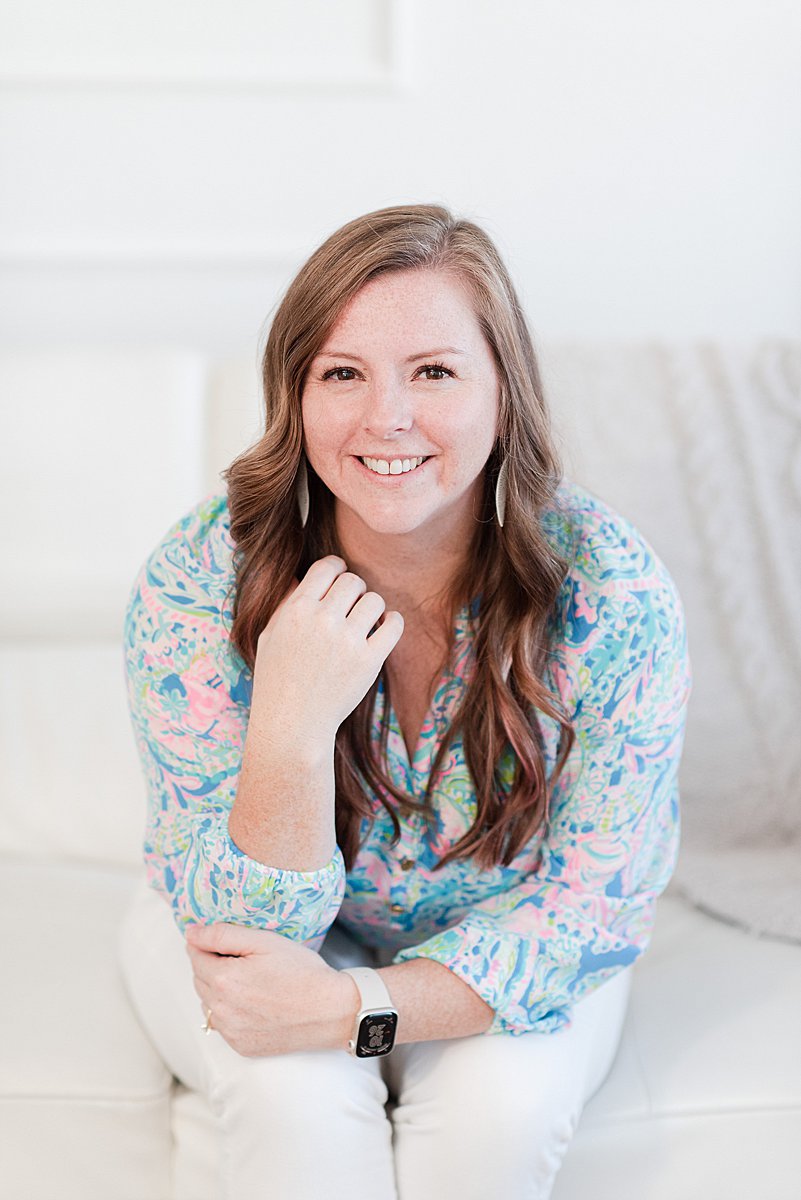
I’m Melissa Arlena, founder of Picture Perfect Rankings, where we help portrait photographers get found on Google and transform from invisible experts into market leaders. With 18+ years of photography experience and an IT background, I’ve helped hundreds of photographers break free from feast-or-famine cycles by achieving page 1 rankings that attract their dream clients through search. Learn more about Melissa.

Leave a Reply


I'm Melissa Arlena(my friends call me Mel) and I help photographers get found on Google.
Read more about me

I'm so glad you're here
Hello!
© 2023-2026 Picture Perfect Rankings : SEO services for photographers. all rights reserved. privacy policy.